
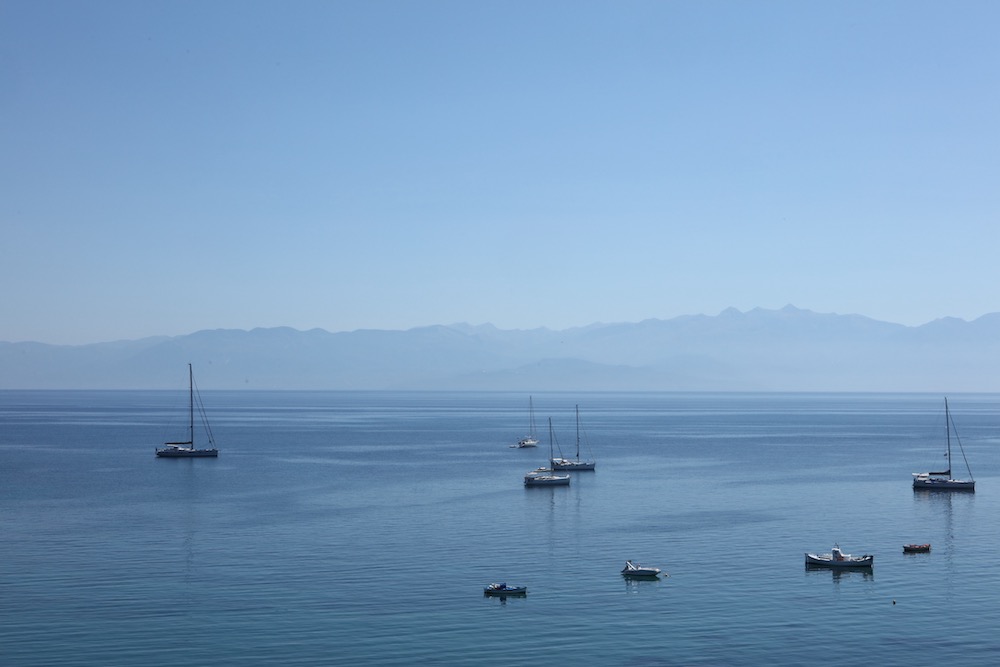
Koroni, a picturesque coastal town in Messenia, Greece, boasts a rich history that spans millennia. Its origins trace back to the Mycenaean era (1400–1100 B.C.), when the Achaeans established a settlement on the site of the present-day fortress.
During the 8th century B.C., following the Dorian invasion, the Spartans resettled allied populations in the area, leading to the establishment of the city of Asini. This city featured its own acropolis with pre-classical structures, including a temple dedicated to Apollo.
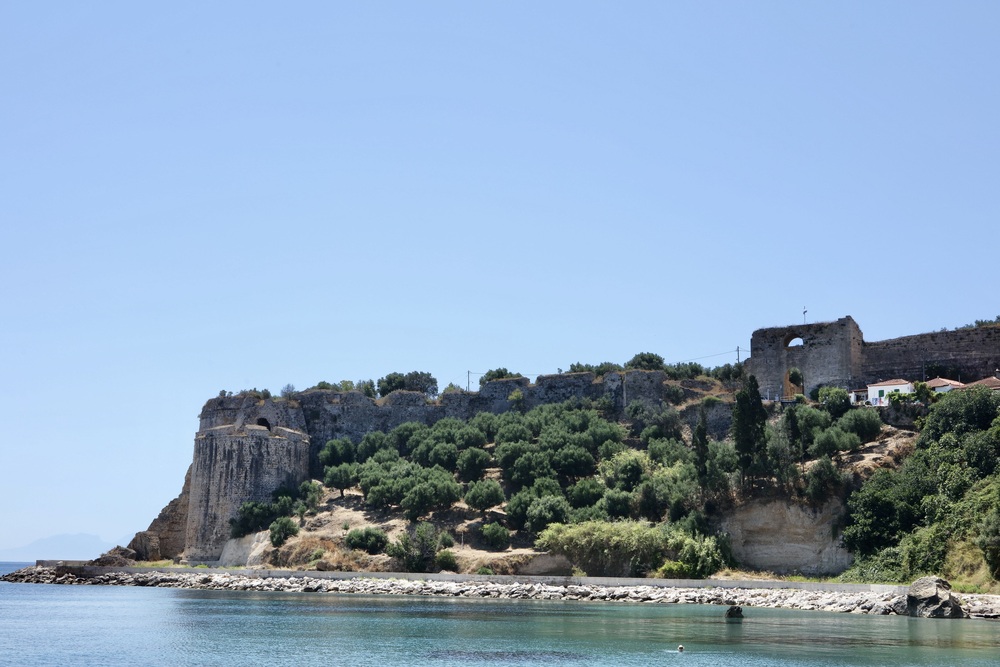
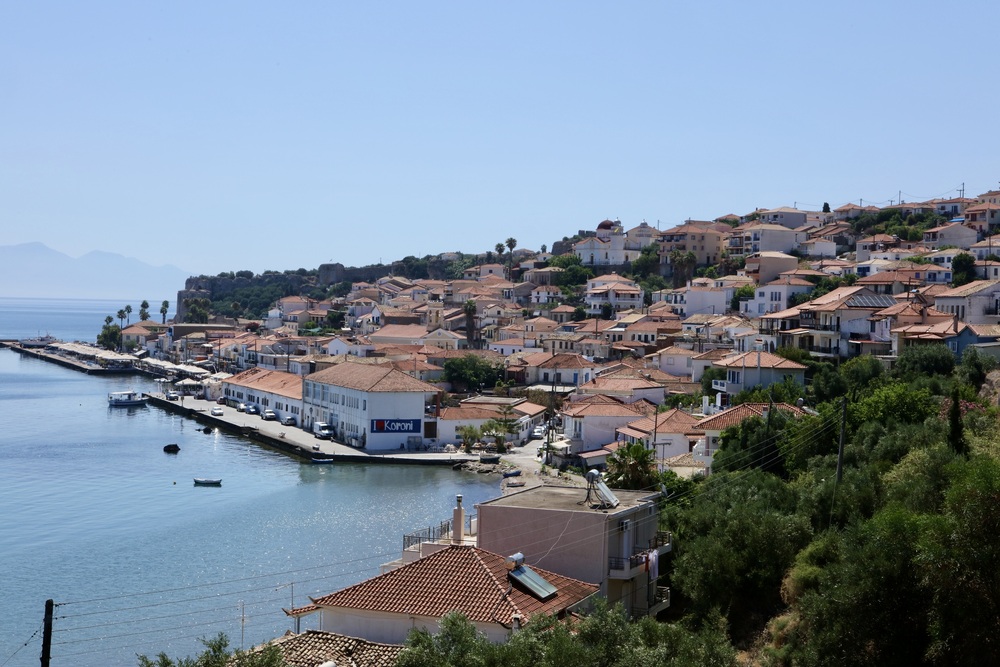
In the aftermath of the Fourth Crusade in 1204, the Republic of Venice acquired Koroni and its neighboring Methoni. These towns became vital Venetian strongholds, serving as key waystations for merchants and pilgrims en route to the Holy Land. Koroni, in particular, was renowned for its production of cochineal, used to create crimson dyes, and for the expertise of its Venetian engineers in siegecraft.
The Venetian period lasted for three centuries, during which Koroni flourished as a center of commerce and culture. However, in 1500, during the Second Ottoman-Venetian War, Sultan Bayezid II captured Methoni, leading to the subsequent surrender of Koroni and Navarino.
Today, Koroni stands as a testament to its diverse historical influences. The imposing Venetian castle, perched atop a hill, offers panoramic views of the surrounding area and serves as a reminder of the town’s strategic importance throughout history. Visitors can wander through the narrow, cobbled streets, explore historical houses, and immerse themselves in the rich tapestry of Koroni’s past.
Koroni’s enduring legacy is evident in its architecture, culture, and traditions, making it a captivating destination for those seeking to delve into the depths of Greek history.